Why nest boxes in the forest are important now
Since 2017, more than 900,000 hectares of forest nationwide — mostly site-inappropriate and monocultural coniferous forests — have died due to drought and bark beetle infestation, as the satellite data from the German Aerospace Centre (DLR) published in September 2025 show. Until now, the assumption had been 500,000 hectares of damaged area. Many areas were also completely cleared to contain the bark beetle and prevent fires. Old and habitat trees were lost as a result too.
In the heavily damaged forest areas, which lost whole generations of trees due to drought and bark beetles, important habitats are now also missing. Where old trees, cavities, cracks and sheltered structures disappear, many animal species lose their breeding, roosting and retreat sites. This is exactly where we come in: Trinkwasserwald supports forest managers in hanging up nest boxes and thus creating valuable replacement habitat.
Nest boxes for endangered species
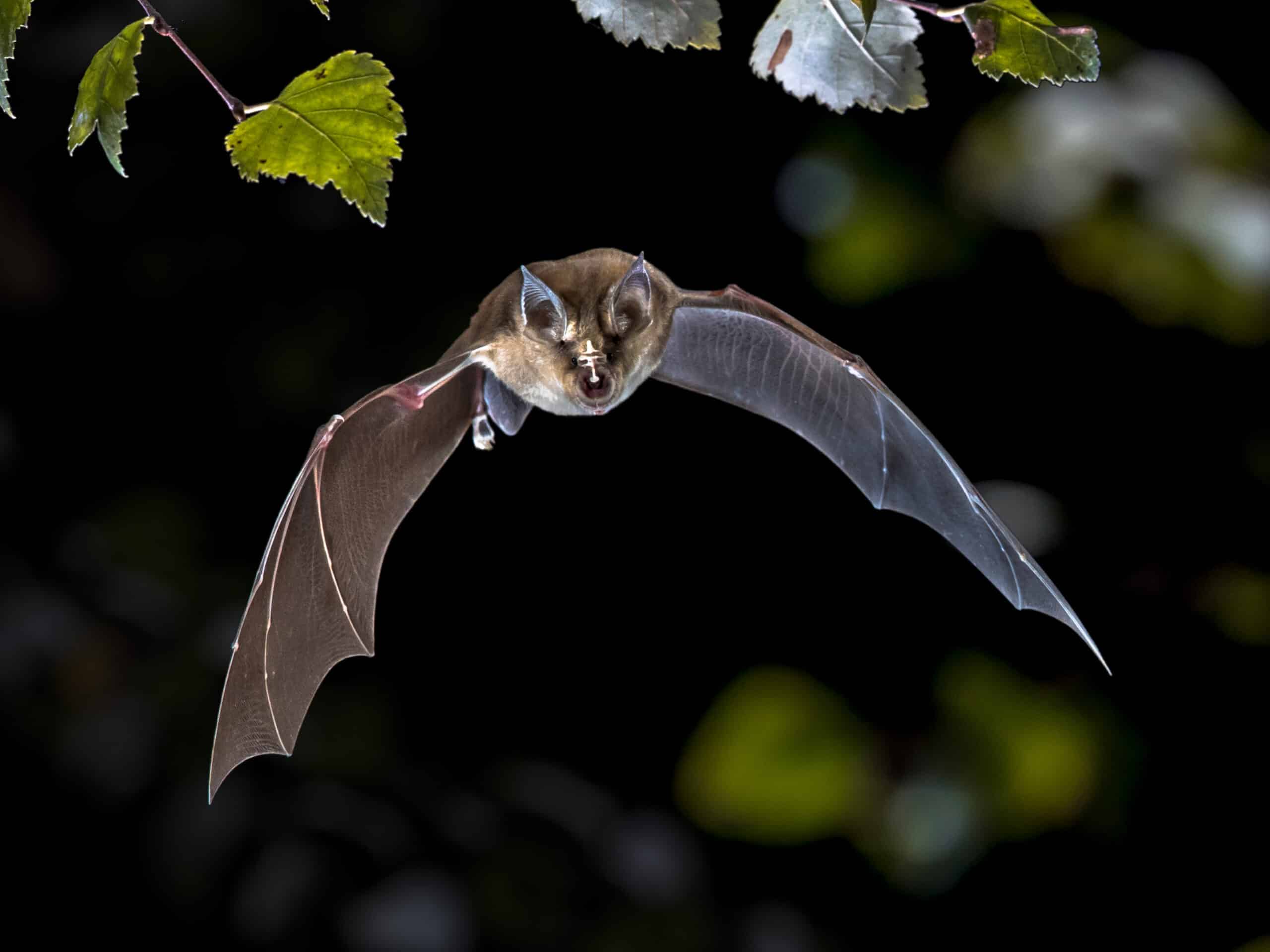
Bats in particular — such as Bechstein’s bat, the greater horseshoe bat, the greater noctule, the brown long-eared bat and the barbastelle, all of which are considered endangered — benefit from this. They depend on safe roosts where they can rest during the day, raise their young and survive the winter in shelter. But many other endangered species also use nest boxes, such as the scops owl, the little owl and the pygmy owl. Especially on cleared or heavily thinned damaged areas, such aids can make an important contribution to preserving biodiversity.
Nest boxes are important. They bridge a critical period until a new, species-rich forest has developed. They help safeguard habitats, maintain ecological networks and give endangered species a chance. Because a healthy forest is more than just trees: it is a habitat for countless animals, plants and fungi — and therefore an indispensable part of our natural heritage.
By installing nest boxes, we are ensuring that more life returns even to damaged forest areas. This not only protects individual species, but strengthens the entire forest ecosystem.
Thank you
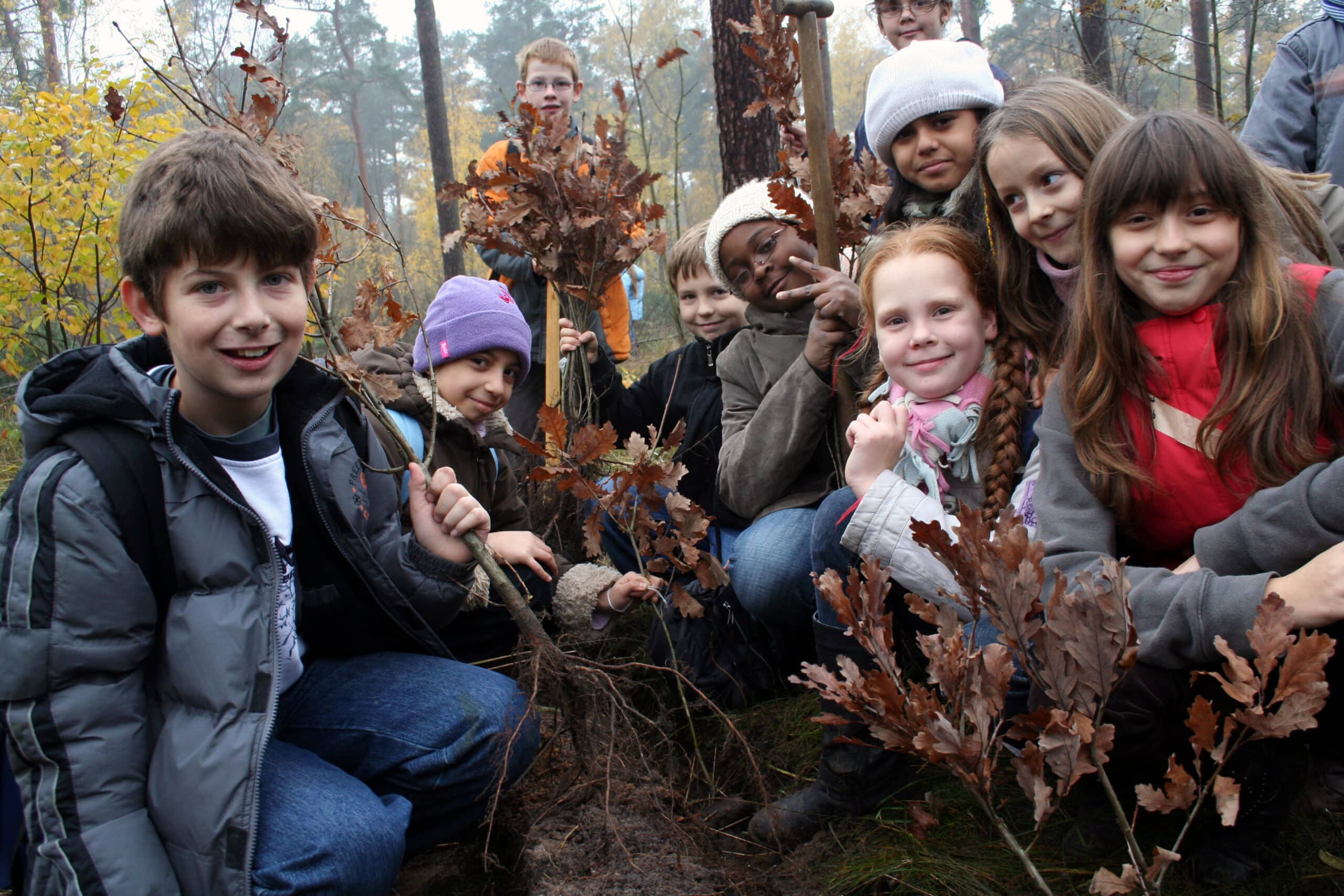
Trinkwasserwald e.V. would like to express its heartfelt thanks to all supporters — those who donated untreated wood for this purpose, and those who helped out.