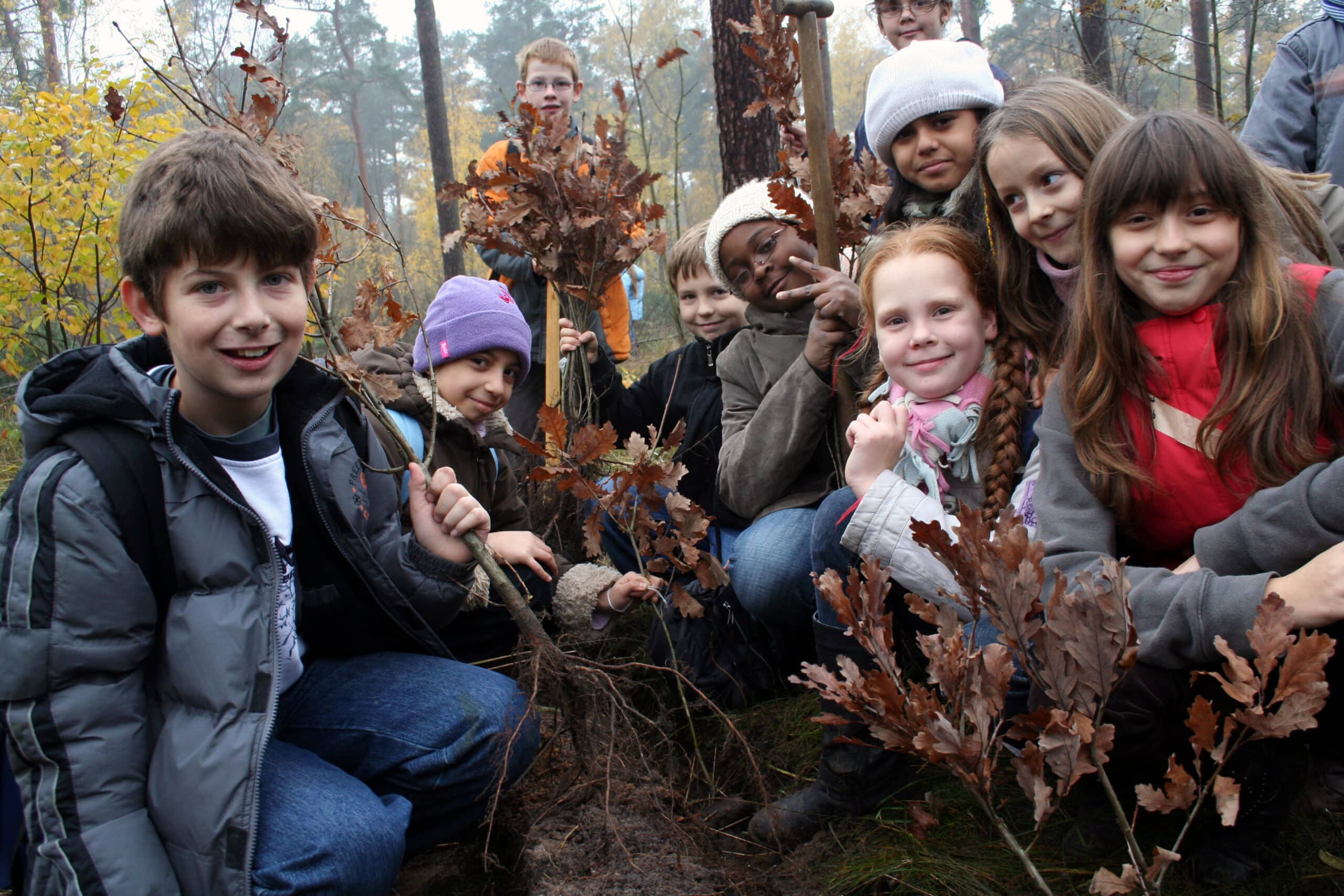
Your earmarked donation for the tiered woodland edge design acts like a mandate — it is used to plant the woodland edge with a diverse range of species on selected areas, giving birds, insects, mammals and reptiles a habitat.
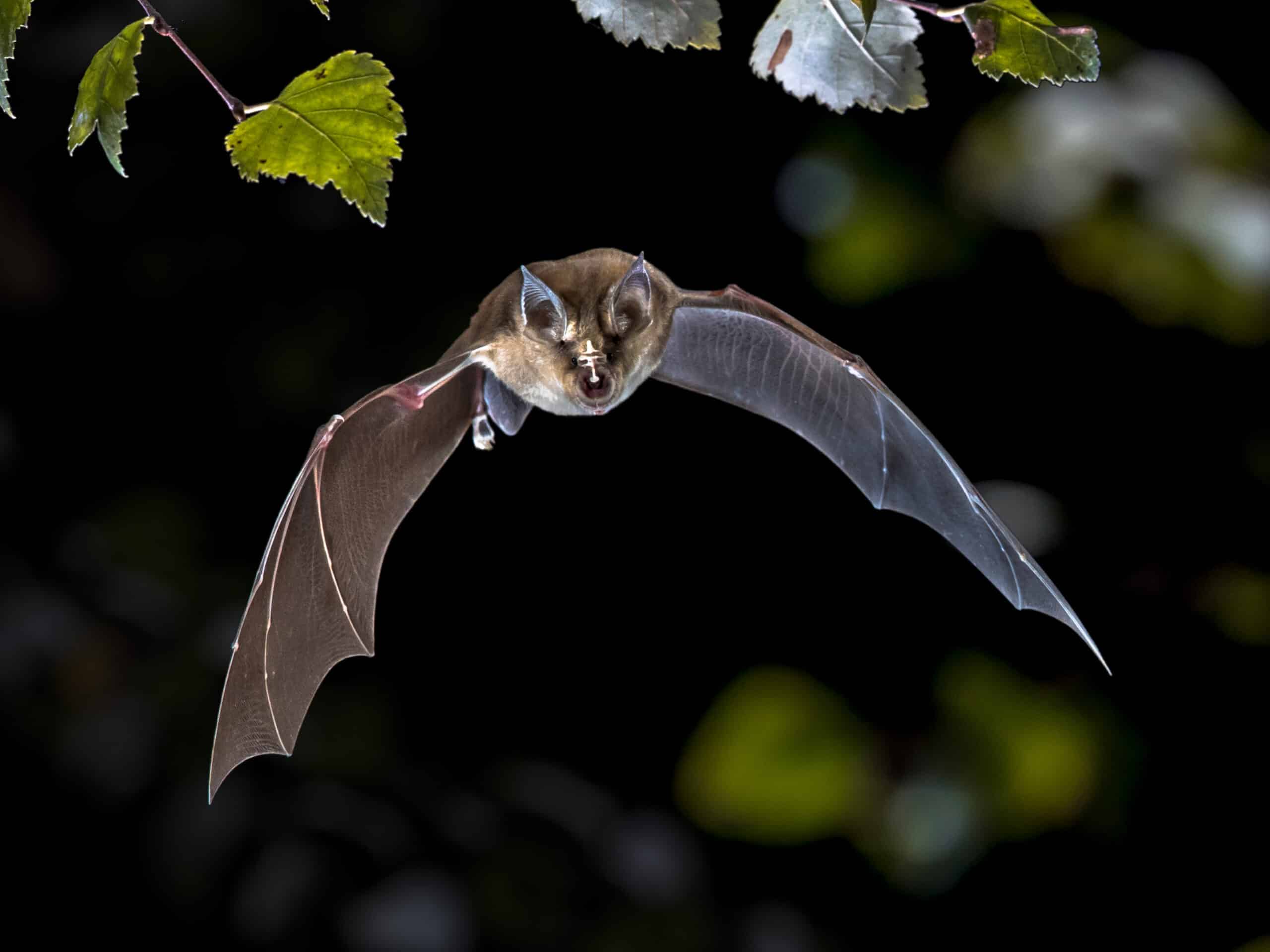
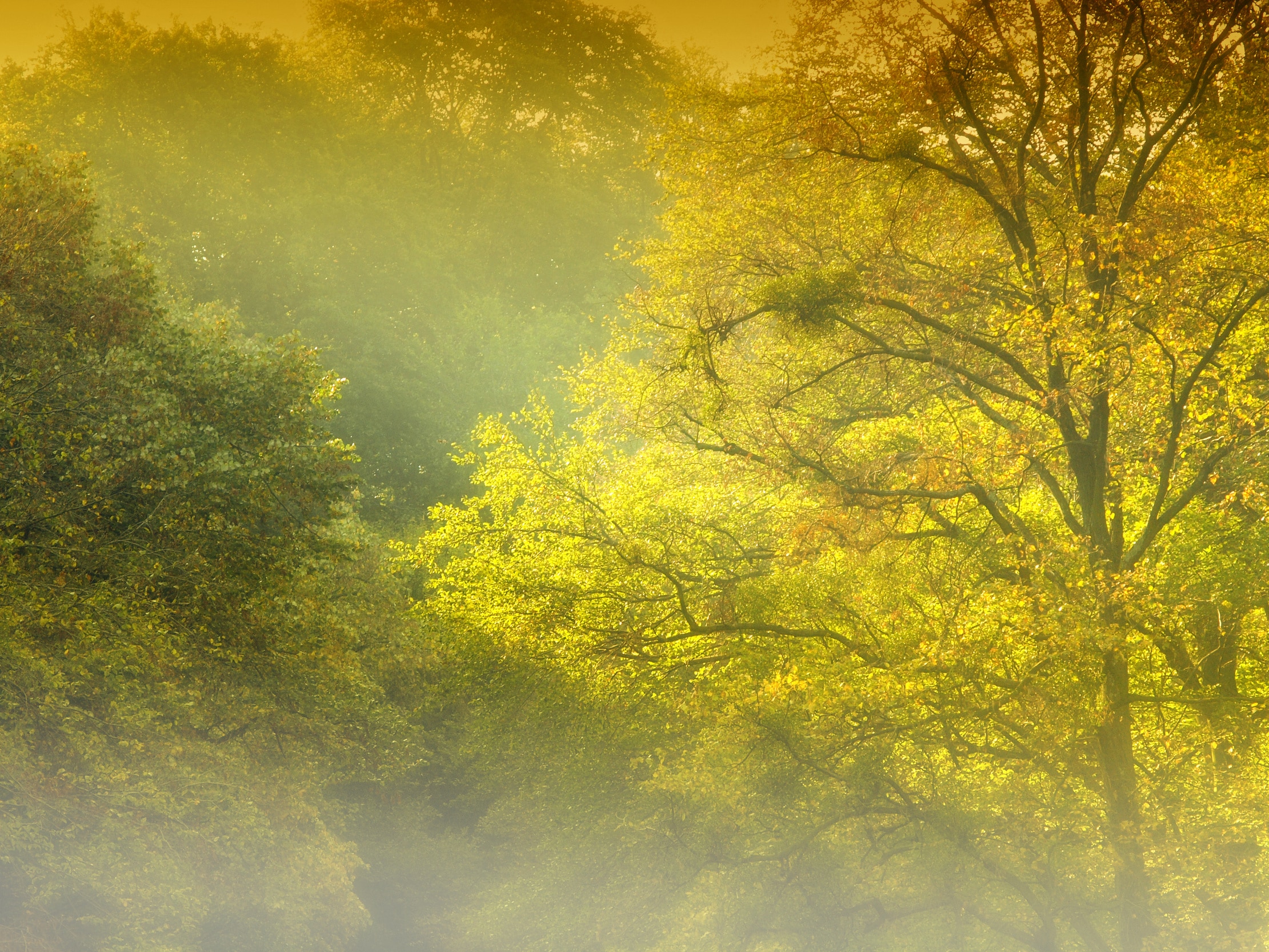
A tiered woodland edge is an ecological all-rounder and a highlight for biodiversity in our cultural landscape. The staggered mosaic of trees, shrubs and flower-rich herbaceous margins creates diverse transition zones between woodland and open land, providing habitat for an astonishing variety of species. While the dense woodland offers birds, insects, mammals and numerous plant species protection and food, the open margin provides ideal living conditions for insects such as butterflies and wild bees, as well as reptiles such as the sand lizard.
The tiered structure acts like a buffer: it protects agricultural land from shading and root competition, promotes higher yields and at the same time offers wild animals cover and nesting opportunities. It enables natural pest control through habitat for beneficial insects and increases the resilience of the adjacent woodland against wind, storms and edge damage. The varied design also benefits people: the woodland edge becomes an attractive place for recreation and a revitalising landscape feature.
A tiered woodland edge therefore creates a flourishing network for biodiversity, ecological stability and sustainable land use – a gain for nature, agriculture and forestry, as well as for recreation.