

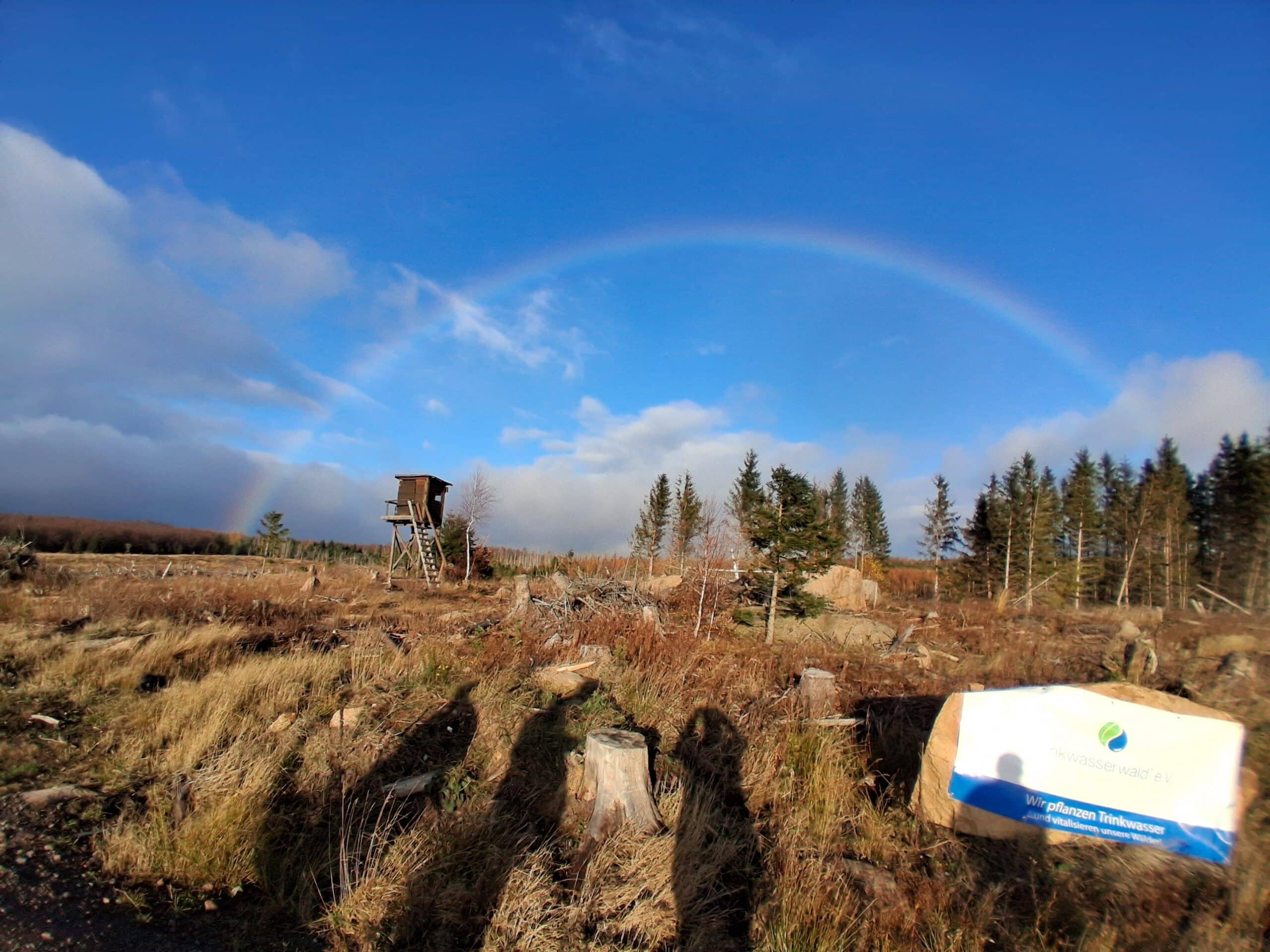
Despite times of crisis: over 95,600 new deciduous trees for Germany’s forests – Trinkwasserwald e. V. will plant deciduous trees on more than 28 hectares of damaged conifer forest areas in 2025
2025: 95,600 location-appropriate deciduous trees of 23 different species were planted on 28.15 hectares of former conifer forest areas damaged by disease in
Hamburg, 18 December 2025 – The environmental protection association Drinking Water Forest e. V. draws an impressive balance sheet for the year 2025: 95,600 location-appropriate deciduous trees of 23 different species were planted on 28.15 hectares of former conifer forest areas damaged by disease planted – thanks to the generous support of numerous companies that, despite economically difficult times, made a clear statement in favour of environmental and climate protection.
A particular focus this year was on the Harz, which since 2018 has lost over 90 % of its once widespreadäspruce forärestock , due to drought and massive bark beetle infestations. With 17,500 deciduous trees planted Drinking Water Forest e. V. is making an important contribution here to the ecological revival of one of Germany’s most heavily damaged forest regions.
Forest in need
German forests are increasingly suffering the effects of climate change:
- According to Forest condition survey 2025 only every fifth tree is still considered healthy.1
- A Nature study 2025 providing evidence that dieback events, crown dieback and reduced growth rates significantly impair forests’ important ability to store carbon.2
- An analysis by the German Aerospace Center (DLR, 2025) even shows: since the drought years, it isn’t 500,000 but 900,000 hectares of forest that has died in Germany.3
Nature-based conversion of forests for water and biodiversity
Forests are a habitat, a climate regulator, a place for recreation, a source of raw materials and the foundation of our drinking water supply. So that they can continue to meet these diverse tasks in the future, the conversion of conifer monocultures into diverse, climate-resilient mixed broadleaf forests.
As one hectare of mixed broadleaf forest, compared to conifer forests, increases groundwater recharge by 500,000 to up to 1,200,000 litres helps—compared to previous conifer forest areas—with the 28.15 hectares replanted in 2025 by Trinkwasserwald e.V., improving the future groundwater yield each year by an average of 22,5 million litres improve—there is a clear gain in drinking water supply, which largely originates under forests.
At this year’s planting events with Trinkwasserwald e. V., participants included 682 adults and 106 children, while taking part at the same time in environmental education activities. They learned why their commitment is so important – forests are crucial for biodiversity, humus formation, carbon sequestration and the Safeguarding drinking water resources.
Quote
„We live in a time in which armed conflicts and economic uncertainties are pushing many issues into the background – unfortunately often environmental protection too,“ says Kirsten vom Heu, Chair of Trinkwasserwald e. V. „All the more impressive is how many companies and people continue to show solidarity with our forest in need. This commitment gives us courage. Nature-oriented forest conversion is not a luxury project, but an investment in our shared future, because our lives are inseparably dependent on sustainable forest ecosystems – on their biodiversity, clean water and their sustainable timber.“
About Trinkwasserwald e. V.
Since 1995, Drinking Water Forest e. V. has been active throughout Germany for nature-oriented forest conversion, in order to safeguard forests, drinking water and biodiversity in the long term. With thousands of volunteers to date, the association makes a measurable contribution to strengthening climate-tolerant deciduous mixed forests and to raising awareness in society of the importance of healthy ecosystems.
Sources
1 https://www.bmleh.de/DE/themen/wald/wald-in-deutschland/waldzustandserhebung.html
2 Recent 2025 Nature publication on the weakening carbon sinks of EU forests, led by an international team including Markus Reichstein (Max Planck Institute for Biogeochemistry, Jena), https://www.bgc-jena.mpg.de/pm-klimaschuetzende-kohlenstoffsenken-der-eu-waelder-werden-schwaecher
3 https://www.dlr.de/de/aktuelles/nachrichten/2025/satellitendaten-fuer-deutsche-waelder-in-not
Press contact:
Trinkwasserwald e. V.
Kirsten vom Heu, Chair
info@trinkwasserwald.de
0 40 386 66 430
Lange Straße 22, 20359 Hamburg
More news
 #News 30.04.2026
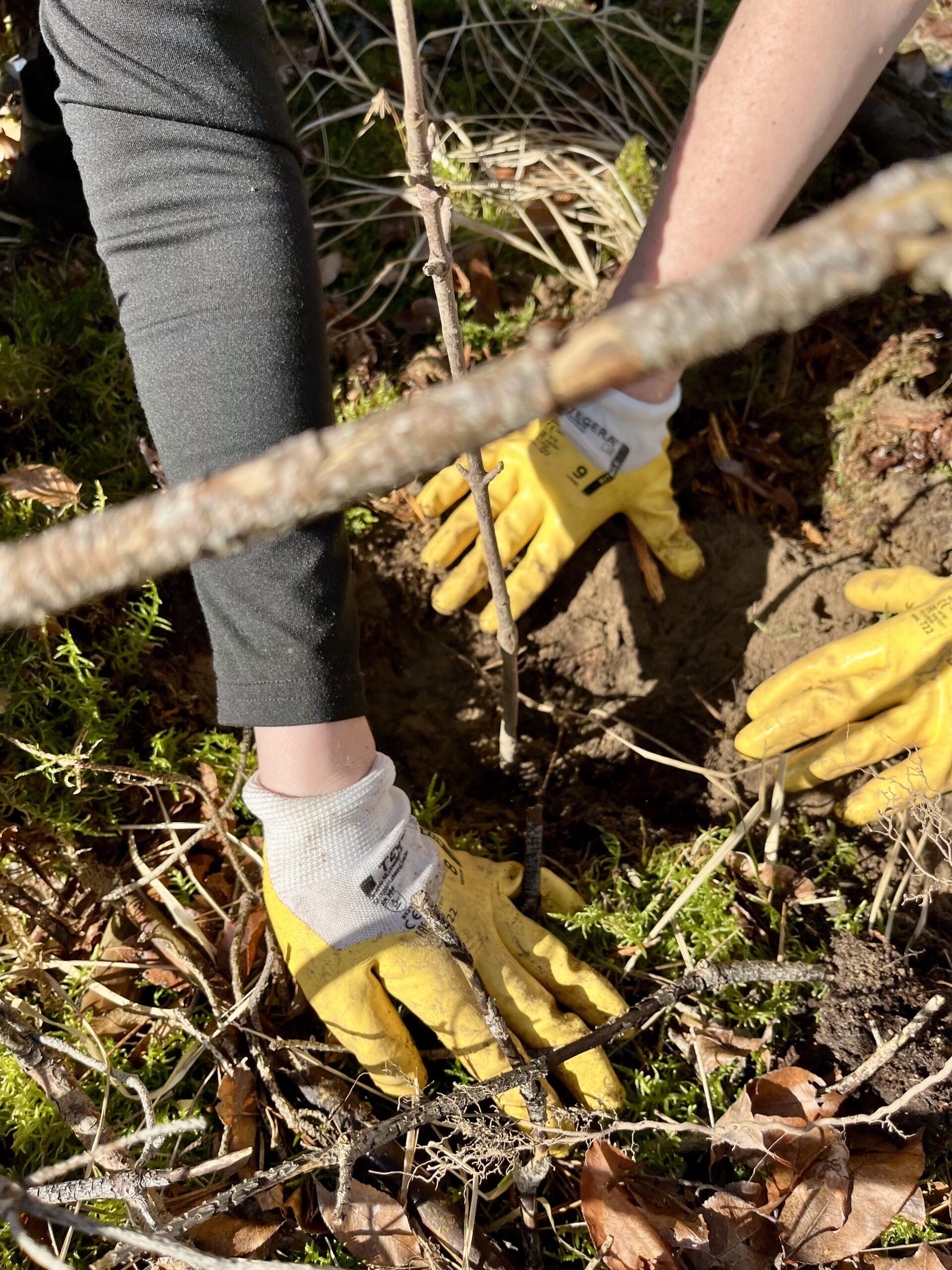
Back soon in the forest! We are looking for planting mentors who would like to support our environmental protection activities. Here are our next autumn dates for 2026 30.11. Nuremberg Interested? Then please get in touch with us immediately. And here’s more information about planting mentors…
 #News 03.03.2026
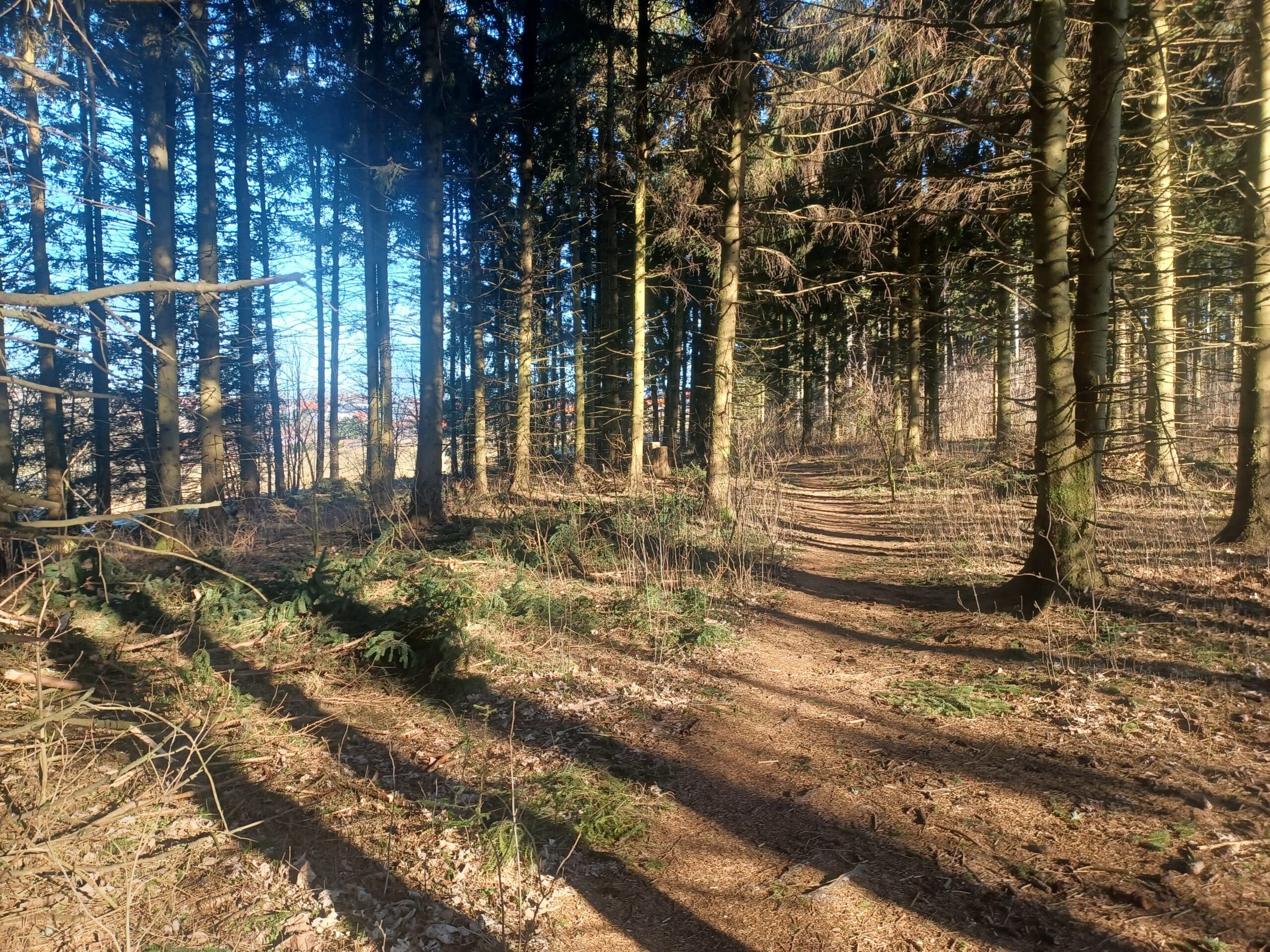
Planting deciduous trees together On 21 March, the Day of the Forest, something very special is happening in the Harz: children and parents are writing the future together. Just one day before World Water Day, we are all getting stuck in together – with […]
 #News 06.03.2025
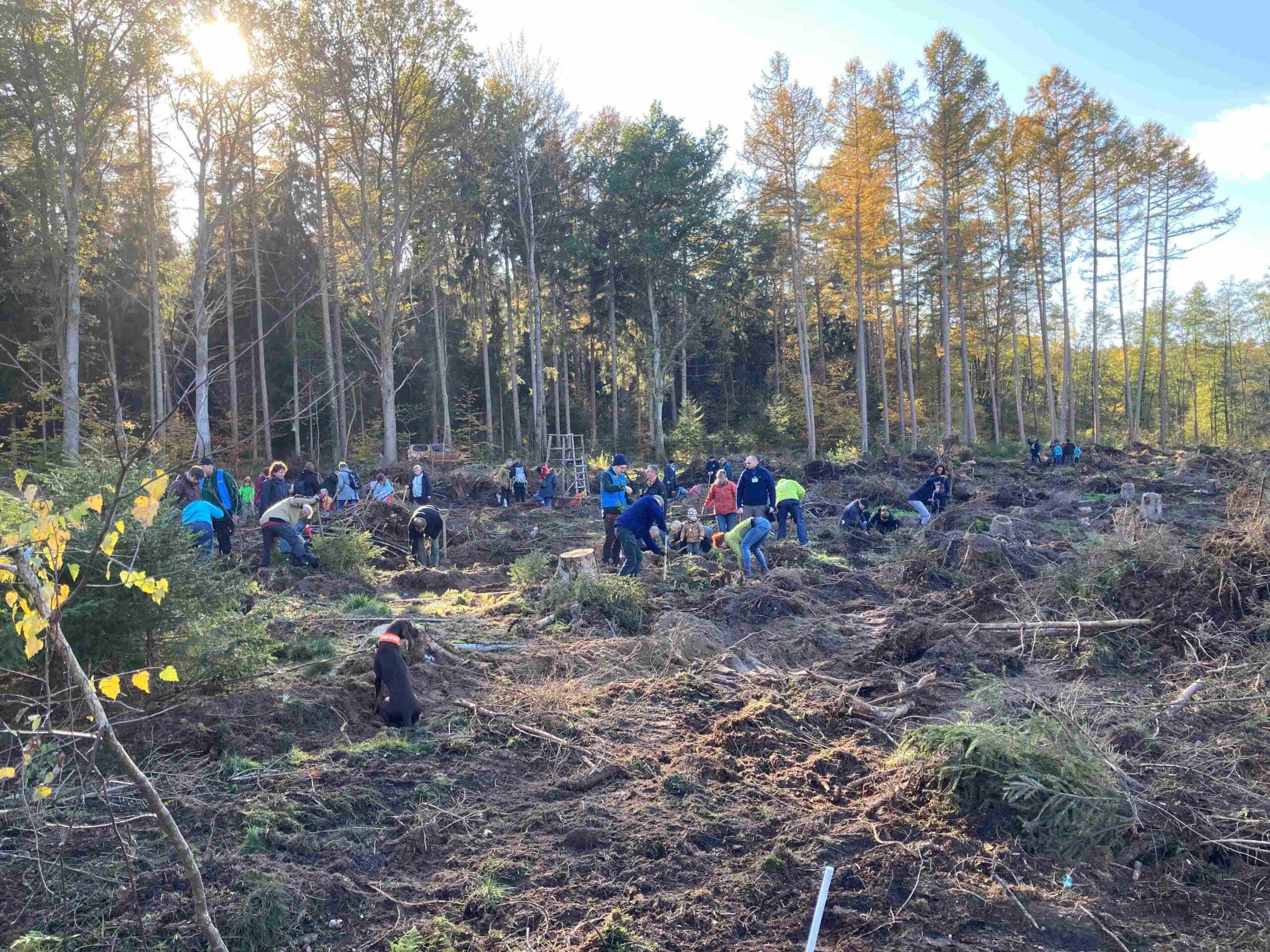
Across Germany, we run spring and autumn planting events every year with many people and businesses to transform damaged areas into diverse mixed deciduous forests. So that participants don’t just work hard, but also help the forest and water work better […]